
Pump won't turn on
We trace whether the issue is power, a tripped GFCI, a failed float switch, or a seized pump. The fix may be as small as correcting the float position or as involved as replacing a failed switch or pump.
Serving Hartford, Connecticut & surrounding areas
24/7 Emergency Response
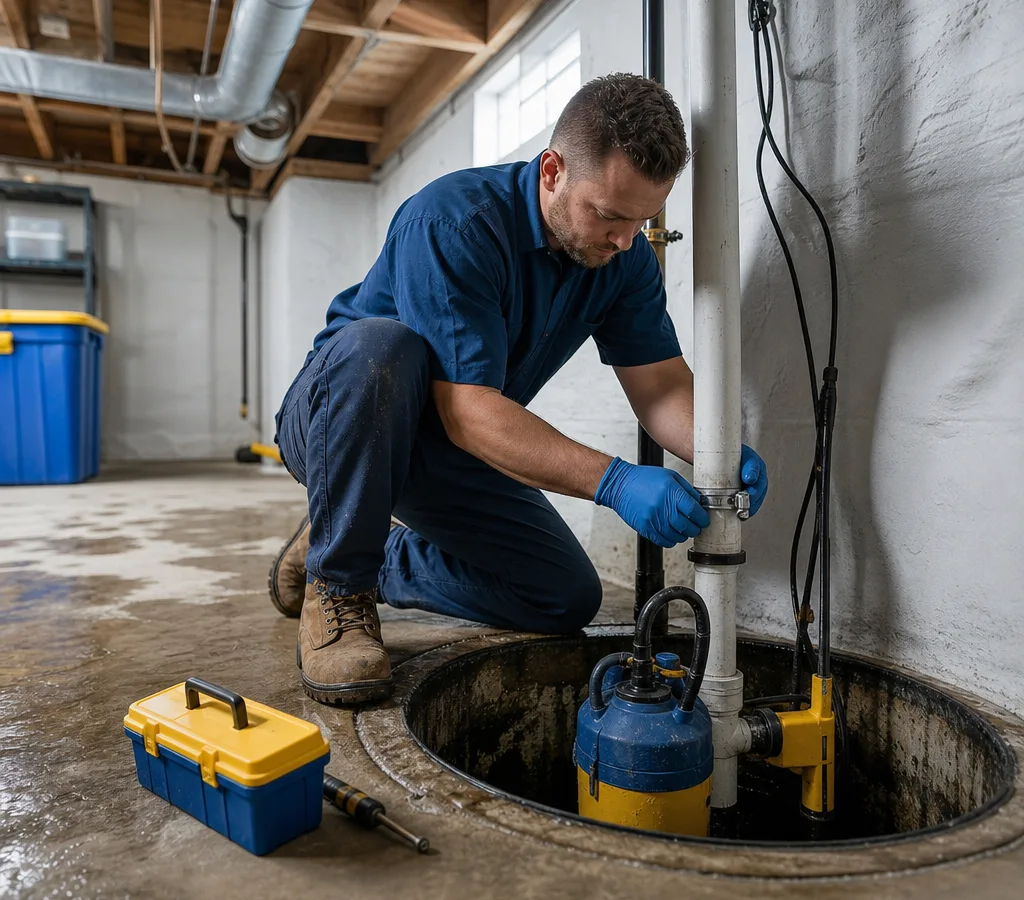
When your pump won't start, won't shut off, or can't keep up with groundwater, we troubleshoot fast, explain the fix clearly, and leave the basement clean.
Searching for Sump Pump Repair Hartford usually means something is already wrong: a high water alarm is going off, the pit is full, or you're seeing dampness where you normally stay dry. Plumbing Rescue Hartford repairs the causes that actually stop a sump system from moving water out: failed switches, stuck check valves, blocked discharge lines, seized impellers, broken seals, and power or control issues.
Hartford basements can take on water quickly after heavy rain and snowmelt, and the difference between a minor cleanup and a soaked finished space is often whether the pump is cycling and discharging properly. Our approach is simple: confirm the failure mode, test the pump and float under load, verify the discharge is moving water outside, and restore reliable operation without turning your home into a jobsite.
A sump pump can “run” and still not protect you. During a repair visit we focus on the full system, not just the motor.
Typical checks and fixes include:
If you also need help with broader plumbing issues in the house, our team handles that work too as your Hartford plumber.
Request Emergency Service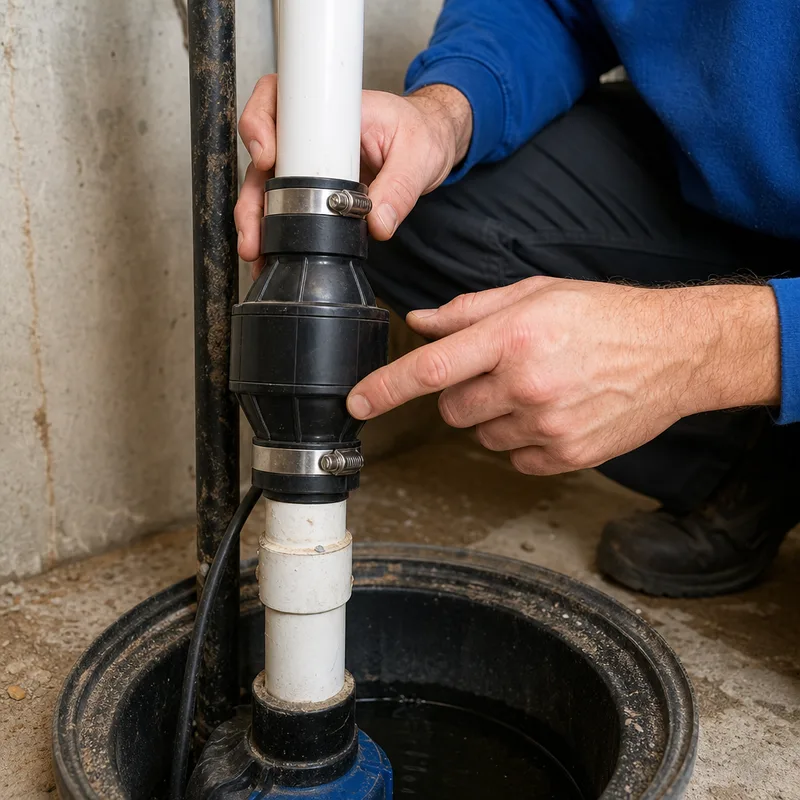
We trace whether the issue is power, a tripped GFCI, a failed float switch, or a seized pump. The fix may be as small as correcting the float position or as involved as replacing a failed switch or pump.
We check for a clogged impeller, blocked discharge, stuck check valve, or discharge leak, then verify real flow at the outside termination.
We assess check-valve backflow, float settings, pit conditions, and whether the pump is oversized for the basin.
We determine whether the switch is stuck, the pump is worn out, or the discharge is restricted before recommending replacement.
Grinding, rattling, or humming can indicate impeller debris, worn bearings, or a failing motor. We advise whether repair or replacement is dependable.
We test alarm floats, control panels, and backup activation so you're not learning about a failure during the next storm.
We move from immediate water risk to diagnosis, clear options, verified operation, and a clean handoff.
We start with alarms, cycles, damp spots, and recent weather. If there's active water, we prioritize restoring pumping first.
We open the pit, check float movement, test the pump, and verify the discharge path is clear and routed correctly. When safe, we cycle the system with water.
You'll get a clear scope covering what failed, what can be repaired, what should be replaced, and what it costs.
After repairs, we re-test cycling, confirm water is leaving through the discharge line, and verify the check valve prevents backflow.
We tidy the area, review maintenance notes, and explain warning signs to watch before the next rainy season.
Sump pump repair in Hartford typically ranges from $175 to $650 for common issues like float switch replacement, clearing a minor discharge blockage, or replacing a check valve; more involved electrical troubleshooting or a failing pump that requires replacement can run $650 to $1,800+ depending on the equipment and access.
Your actual price depends on what failed—switch, pump, piping, or controls—whether parts are standard or specialty, the condition of the pit and discharge line, and how easy it is to reach and test everything. The exact cost is confirmed after an on-site inspection and diagnosis.
Request Emergency Service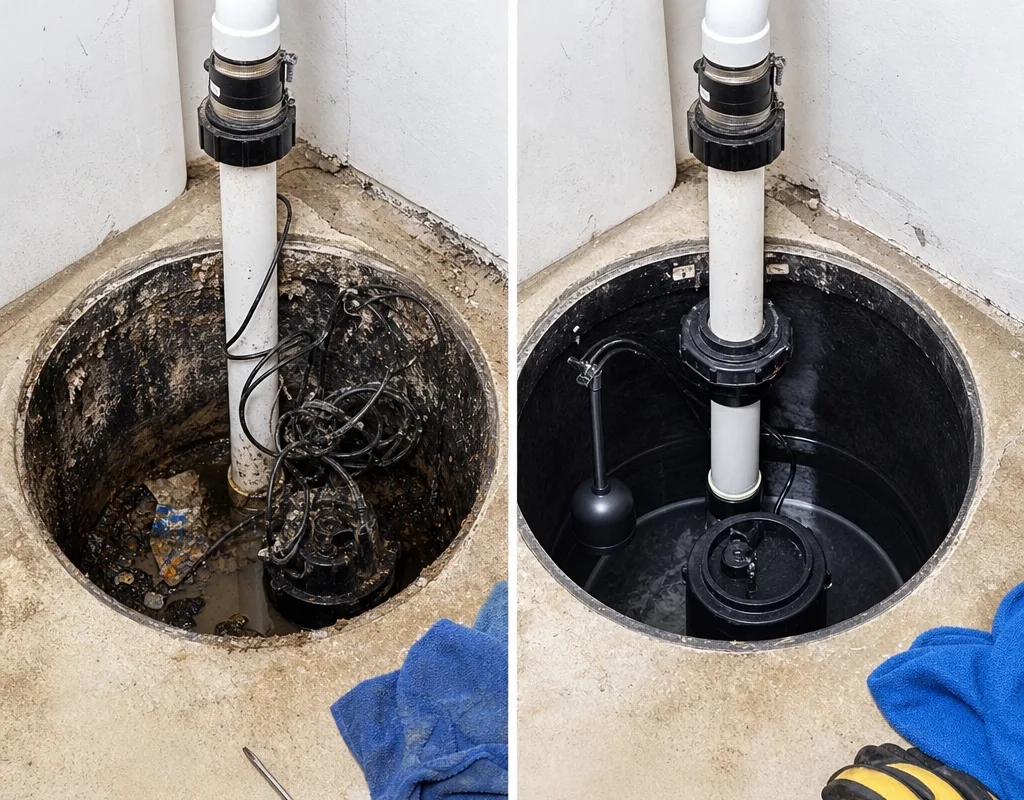
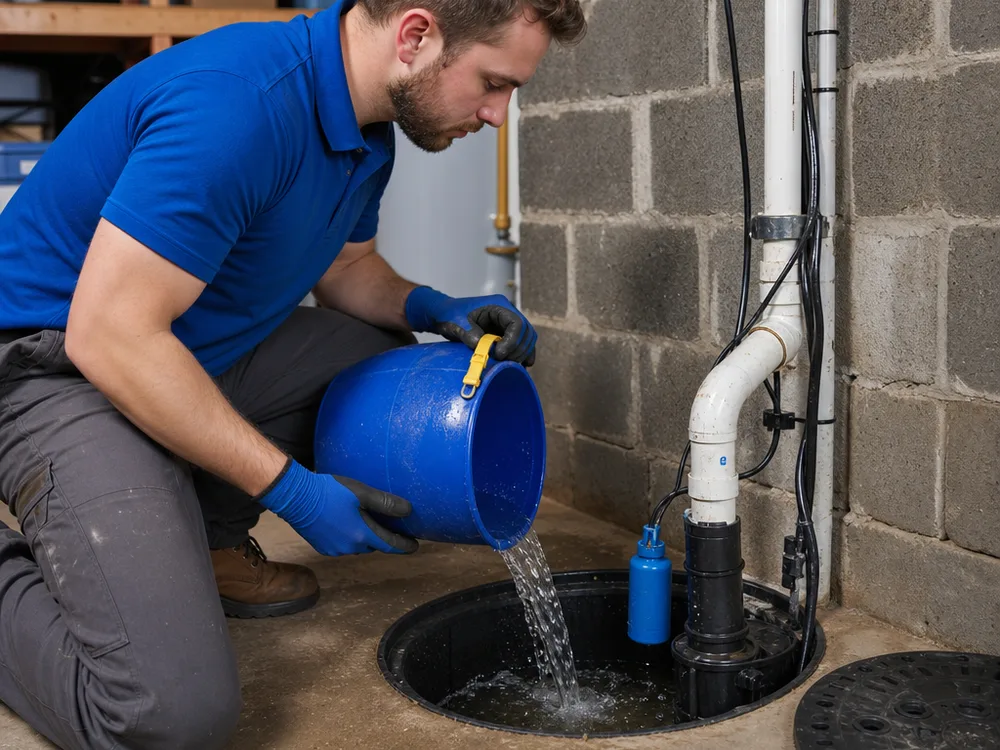
Repair makes sense when the problem is isolated, like a failed float switch, stuck check valve, or discharge blockage. Replacement is usually smarter when the motor is failing, the pump is corroded, or it cannot keep up with a clear discharge line. We test under cycling conditions and recommend the dependable option.
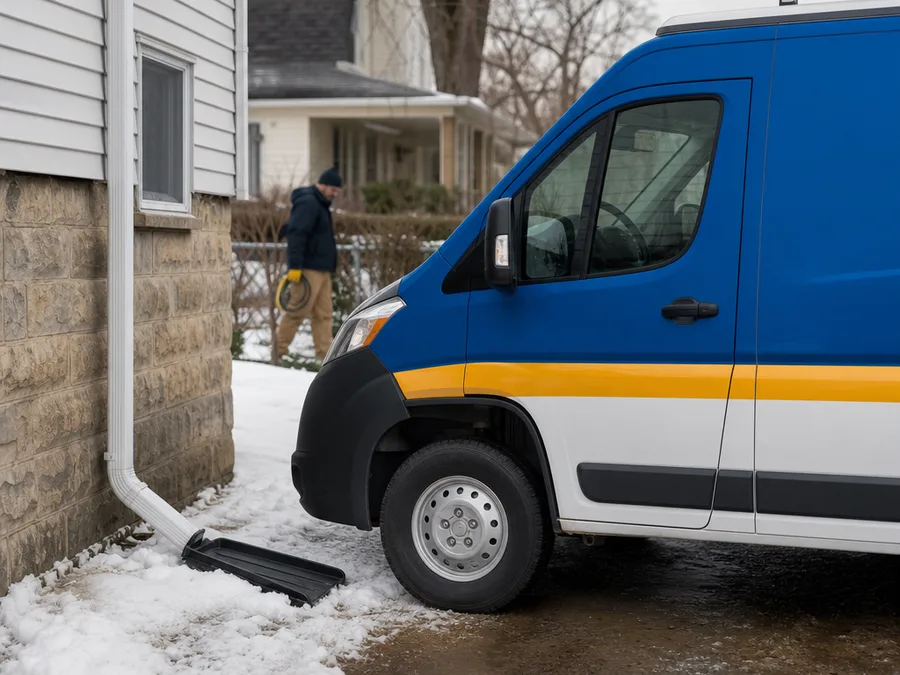
Common causes include a blocked or leaking discharge line, a stuck or backwards check valve, or a worn pump that cannot produce enough flow under head pressure. We verify flow at the exterior termination so you know water is actually leaving the home.
Rapid cycling is usually caused by water falling back through a failed check valve, a float set too tight, or a pit condition that traps the float. Short-cycling wears out motors quickly, so it should be corrected promptly.
Yes. Many dead-pump calls come down to a tripped GFCI, failed receptacle, damaged cord, or control or float issue rather than the motor. We begin with safe power checks, then test the pump and switch.
Yes. We inspect for clogs, crushed sections, disconnected joints, and winter freeze restrictions, then clear or repair the line as needed. We finish by confirming discharge outside without recirculation toward the foundation.
Treat a sump alarm as urgent because it often means the water level is higher than normal or the pump is not keeping up. Reduce water risk in the area and arrange service right away so the system can be tested before the next cycle or storm.
Tell us what the pump is doing—won't start, won't stop, alarms, or water rising in the pit. We'll schedule a repair visit in Hartford, diagnose the cause, and give you a clear plan to restore reliable drainage.