
Fast triage and safe shutoff guidance
We walk you through what to shut off and what to avoid while a plumber is on the way, so the situation does not escalate.
Serving Hartford, Connecticut & surrounding areas
24/7 Emergency Response
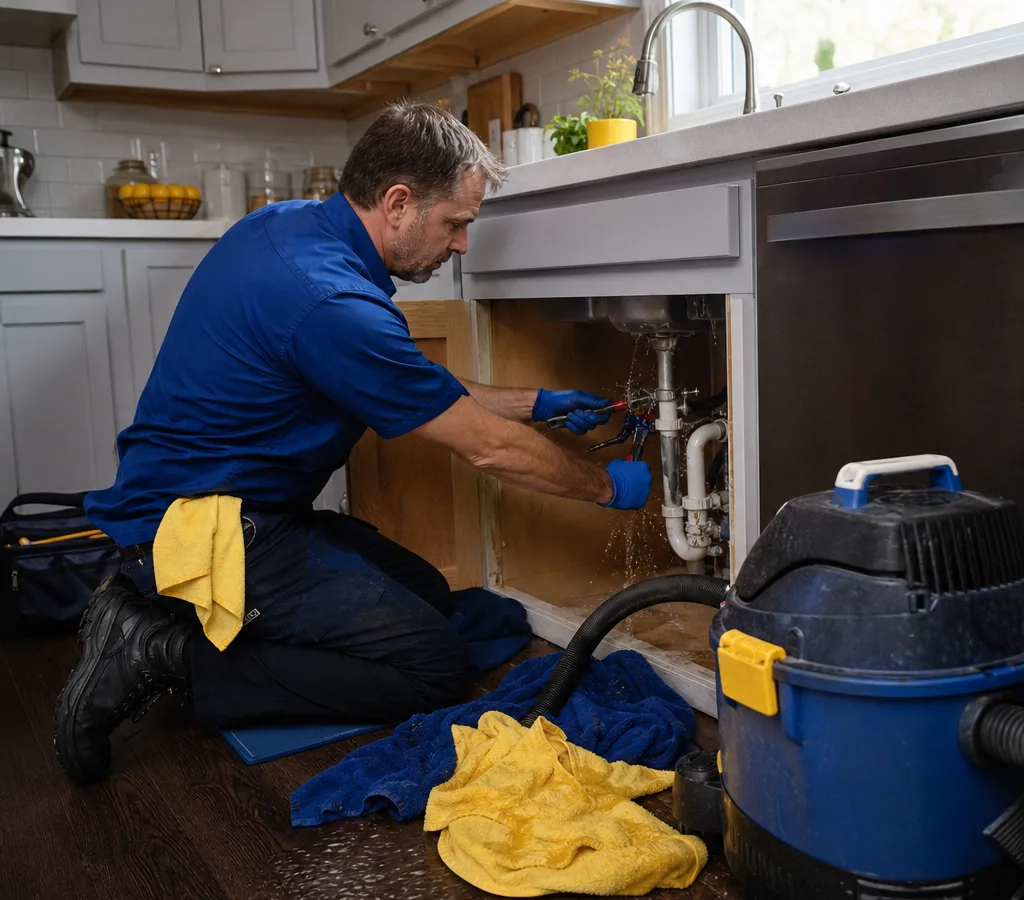
When a pipe breaks or a drain backs up fast, you need a clear plan. Plumbing Rescue Hartford dispatches for urgent leaks, clogs, and water shutoff issues with straightforward communication from the first contact through cleanup.
A plumbing emergency is any situation where water damage is actively happening—or likely in minutes—sewage is backing up, or you cannot safely shut the water off. In Hartford homes and multi-family buildings, a small failure can soak ceilings and walls quickly, so the first steps matter.
If you have water flowing where it shouldn’t:
Common emergency calls include burst or frozen piping, sudden loss of water, overflowing toilets, sewer or main-drain backups, water-heater leaks, and stubborn clogs that overflow when another fixture runs. Plumbing Rescue Hartford also handles ongoing Hartford plumbing needs after the immediate crisis is controlled.
We walk you through what to shut off and what to avoid while a plumber is on the way, so the situation does not escalate.
You get a plain-language explanation of what failed, what we recommend doing first, and what can wait until normal hours.
For hidden leaks, we trace the origin—supply, drain, fixture, or appliance connection—before opening walls or ceilings.
We prioritize stopping overflow, restoring flow, and checking for repeat-backup causes like a blocked main line or compromised cleanout access.
We protect floors, isolate the work area, and coordinate access when a leak affects units above or below.
Emergency plumbing is different from routine service because the goal is to stop damage first, then restore safe use. The first hour usually follows a tight sequence.
Stabilize the situation. We confirm shutoffs, isolate the failed branch when possible, and stop active leaking or overflow.
Identify the failure point. Supply leaks, drain leaks, and fixture failures can look similar once water spreads. We narrow down the source so the repair addresses the cause.
Choose the least-disruptive repair that holds. A failed angle stop may be replaced at the valve, while a split copper line can require a cut-out and correctly fitted new section. For drain emergencies, we clear the blockage and determine whether it is local or in the main.
Restore and verify. We bring the system back online in a controlled way, check for additional seepage, and confirm fixtures drain properly.
Document next steps. If we find old shutoffs, corroded connectors, recurring root-intrusion signs, or a marginal water heater, we explain what to watch and what to schedule later.
Around Hartford, older housing stock and finished basements mean a small leak can travel far before it is noticed. In neighborhoods with many older homes, including West End and Asylum Hill, legacy shutoff valves and piping configurations may require careful isolation before the system is pressurized again.
Request Emergency Service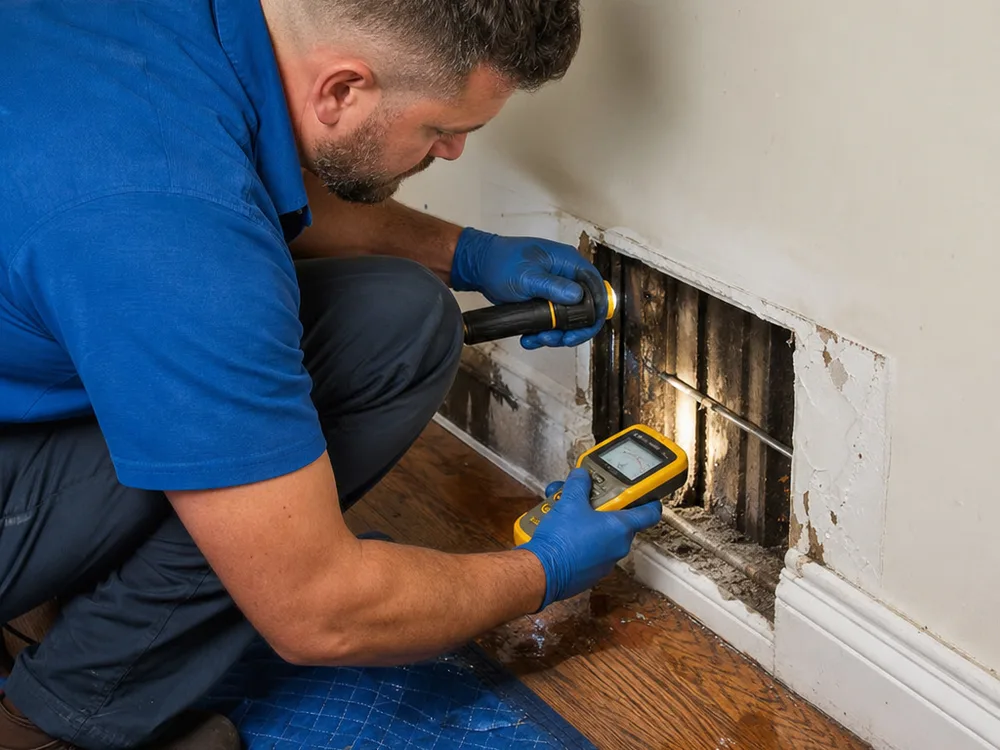
From the first intake questions through final testing, each step is focused on limiting damage and returning the plumbing to safe use.
We ask where the water is, what fixtures are involved, whether you can shut off the water, and if there is any sewage or electrical risk so we can prioritize the right response.
You will know what to do while you wait, what access we need—main shutoff, mechanical room, or cleanouts—and what to clear for safe work.
We pinpoint the failure, explain repair options in plain language, and outline what is urgent now versus what can be scheduled.
We complete the agreed work, pressure-test or run water in a controlled way, and verify drains and fixtures are operating normally.
You get practical guidance on preventing a repeat event, including valve replacement timing, developing-leak signs, or whether a camera inspection makes sense after a backup.
Most emergency plumbing visits in Hartford typically run $250 to $850 for diagnosis and a straightforward repair such as replacing a shutoff valve, repairing a small supply-line leak, or clearing a simple stoppage. More involved emergencies, like a main-drain backup requiring extensive clearing or a difficult-access burst-pipe repair, often fall in the $900 to $2,500+ range.
Your total depends on the time of day, how quickly water must be isolated, access through finished walls, ceilings, crawlspaces, or mechanical rooms, the parts needed, and whether the issue is localized or in a main line. Exact pricing is confirmed after the on-site assessment and a clear scope of work.
Request Emergency ServiceWe had water coming through the ceiling and couldn't find the shutoff. They talked us through what to do while we waited, then isolated the leak fast and explained the repair before starting.
Our basement drain backed up during the evening. The plumber got the flow restored and then checked for what caused it so we weren't dealing with the same mess the next day.
It is an emergency if the leak is actively soaking building materials, dripping near electrical, or you cannot stop it at a local shutoff. A small drip into a bucket can often wait for standard scheduling, but a leak inside a wall, under flooring, or above a finished ceiling should be treated as urgent because damage can spread before you see it.
Start with the closest shutoff valve feeding the problem fixture, such as a toilet stop, under-sink stop, or water-heater supply valve. If the leak is on a main line, the valve will not close, or water is spreading quickly, shut off the home’s main water supply and keep the area clear until a plumber confirms it is safe to restore pressure.
Yes. The priority is isolating water to the affected branch or unit without unnecessarily shutting down the whole building, then verifying adjacent units are not receiving water migration through ceilings, chases, or shared walls. Access to mechanical rooms, unit shutoffs, and cleanouts speeds up stabilization.
Repeat backups often come from a partial main-line blockage, grease buildup, a compromised cleanout, or a line holding debris at a belly or offset. Clearing the immediate blockage gets things draining again; afterward, we can advise whether a camera inspection or targeted repair is the smartest way to prevent another overflow.
If you have an active leak or any sign of drain overflow, leaving the water off—or keeping fixture use to zero—is usually safest until the source is identified. Once the situation is stable, we restore water in a controlled way and verify there are no secondary leaks before returning the system to normal use.
We isolate and confirm the failure point before opening finished surfaces whenever possible, and we begin with the least-invasive access that permits a durable repair. When an opening is unavoidable, we aim for a serviceable cut that allows proper fitting, testing, and future access instead of a patchwork fix.
Tell us what is happening, where the water is showing up, and whether the main shutoff is accessible. Plumbing Rescue Hartford will dispatch with a plan to stop the damage first, then restore safe, reliable plumbing.